



The basalt statue "Olmec Giant Stone Head" from the heyday of the Olmec civilization
This is a basalt human head sculpture from the Olmec civilization, carved from large basalt boulders and currently housed in the National Museum of Anthropology in Mexico. The height of these avatars ranges from 1.17 meters to 3.4 meters, dating back to at least 900 BC, and is a prominent feature of the ancient Mesoamerican Olmec civilization. These huge sculptures only depict the head, possibly because it is widely believed in Central American culture that the head contains an individual's emotions, experiences, and soul. Each avatar has unique facial features and may therefore be seen as a portrait of the actual ruler.

Fossil specimen "Robust Southern Ape Skull" from the National Museum of Anthropology in Mexico
The robust Southern Ape, referred to by some researchers as the hominid genus, lived on the newly formed African savannah 1.5 million years ago. Unlike the more elegant southern apes, the skull features of this species are related to a diet primarily based on hard fruits, bark, and some roots. We can notice that it has a thick and protruding zygomatic arch, with a very large muscle passing through it and ending at the sagittal crest located in the upper part of the skull. Its dental arch is very sturdy and can be seen in very wide and pointed molars. This specimen was discovered by scientist Robert Bloom in 1938 in the Stekefontein Cave near Johannesburg, South Africa.

Popular Models

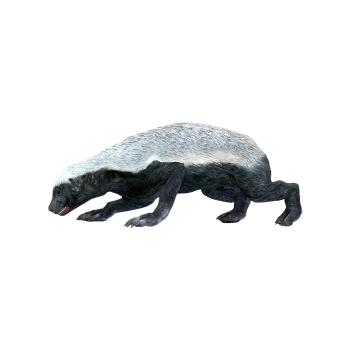
Honey Badger (3D animated model)
194 View
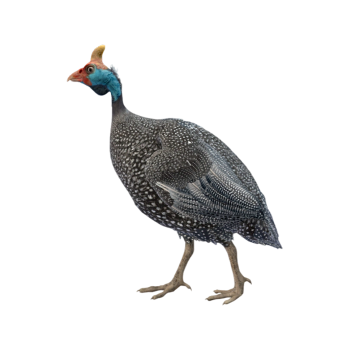
Guinea fowl (3D animated model)
165 View

Wild Goose (3D animated model)
187 View

Red Fox (3D animated model)
155 View
Random Model

Jordan Red High-top sneaker
680 View

Weapon in Battlefield 3: RPG-7
1082 View


Leica TL mirrorless camera
1020 View



Harley motorcycle
953 View

Samsung Galaxy S20+
825 View
